

Are you tired of feeling lost in the sea of health tech options? I get it. The desire for proactive health management is growing, but so is the confusion about how to use advanced tech effectively.
That’s where this article comes in. I’ll break down what wearables health tracking really means and how to use these devices for your wellness.
With a solid background in modern technology, I’ll share practical takeaways that can help you make informed choices. You’ll find clear definitions that cut through the jargon.
I’ve spent years evaluating the best gadgets and understanding their real-world applications. You want reliable guidance, and I aim to provide that.
By the end, you’ll have a forward-looking perspective on using health monitoring wearables. Let’s demystify this tech together and open up your health potential.
Health Tech: From Steps to Complete Insight
When I talk about wearables health tracking, I’m not just thinking about those old-school pedometers. Remember those? It’s amazing how far we’ve come.
Today, these devices are not just counting steps. They’ve evolved. We’re talking about miniaturization, better sensor accuracy, and AI integration.
It’s like having a mini doctor on your wrist. Okay, maybe not a doctor, but you get the idea.
The shift from simple tracking to full health monitoring is huge. It’s not just about what you do but how it affects you. These devices connect to the cloud now.
They provide complete takeaways, not just numbers. You can monitor your heart rate, sleep patterns, and even stress levels. It’s almost futuristic, right?
It’s a game-changer for sure.
And let’s not forget the tech breakthroughs that made this possible. Without them, we’d still be stuck in the past. But here we are, with devices that offer real health takeaways.
If you’re diving into tech like I do (always looking for the top laptops for developers), you know the importance of keeping up. These wearables are just another step in the tech evolution.
Wearable Metrics That Matter: Track Your Health Smarter
I’m a fan of wearables. They’re not just gadgets; they’re like having a mini health lab on your wrist. But what should these devices really track?
Let’s cut to the chase: heart rate variability (HRV), sleep stages, blood oxygen saturation (SpO2), electrocardiograms (ECG), skin temperature, and stress levels. Each metric has a role in understanding how your body ticks.
HRV measures the variation in time between heartbeats. Sounds geeky, I know, but it’s a goldmine for assessing your stress and recovery. Sleep stages reveal the quality of your nightly recharge.
Isn’t it wild how we can now peek into our sleep cycles?
See where I’m going with this?
Blood oxygen saturation (SpO2), that’s your oxygen levels. It’s key for knowing how well your lungs function. ECGs can detect heart abnormalities.
Skin temperature and stress levels are the new kids on the block. They help spot trends before symptoms even hit. Wearables health tracking pulls raw data and turns it into takeaways that guide daily decisions.
So, if you’re deciding on the top 5 wearable devices for your, pick one that gives you actionable intelligence, not just numbers.
Your Guide to Choosing the Right Digital Health Companion
Picking the perfect “digital health companion” is like finding the right pair of shoes. It’s deeply personal. Let’s get straight to it: focus on sensor accuracy.
Because let’s face it, who wants a health tracker that lies?
Next, consider battery life. You don’t want to be tethered to a charger all day, right? Space compatibility matters too.
If you’re already deep into Apple or Google, make sure your wearable syncs with Apple Health or Google Fit.
Privacy is another biggie. Where’s your data going? Is it secure?
And don’t forget comfort and design (if) it’s ugly or uncomfortable, you won’t wear it (even if it’s amazing).
Different folks, different strokes. Athletes need durability and precise data. Casual users, you might just want something that nudges you to move more often.
For those managing chronic conditions, accuracy and health takeaways are key.
Lastly, let’s be culturally aware. Your lifestyle and priorities play a huge role. Is your focus on fitness or monitoring health?
The answer helps narrow down the options.
In a world full of wearables health tracking options, finding the right one is about knowing your needs. So, what’s it going to be?
Maximize Your Wearable: Integration and Action
Wearables are everywhere. But are you really getting the most out of your device? Connecting your wearable to health apps, smart home devices, or even your doctor’s platform (if it’s safe and secure) is key.
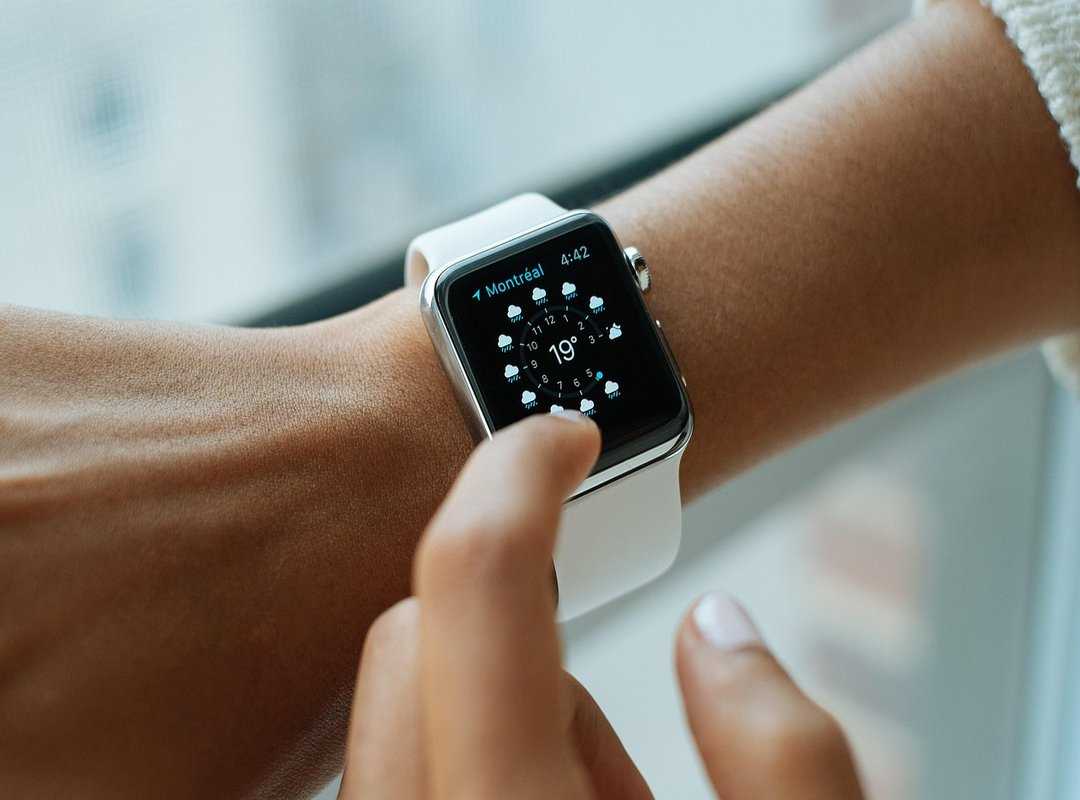
Why? Because wearables health tracking isn’t just about steps or heart rates. It’s about creating a complete view of your health.
You need to integrate those numbers into a bigger picture. Set up your wearable to sync data with apps that matter. Look at trends, not just daily counts.
Are your stress levels spiking before meetings? Maybe your sleep pattern is off?
Here’s a pro tip: don’t assume. Always consult a healthcare professional. Wearables offer takeaways, not a medical diagnosis.
Trust the data, but verify it with a doctor.
Now, what about data interpretation? Look for patterns over weeks or months. Is your resting heart rate consistently high?
That might be worth a conversation with your doctor.
Remember, these devices are a tool, not a crystal ball. They can guide you, but they’re not the final word on your health. Use wearables to inform and adapt your personal health plan, not define it.
Are you ready to open up their full potential?
The Future is Now: Wearables Redefining Health
I’ve been fascinated by how far wearable health tracking has come. It’s not just about counting steps anymore. We’re on the brink of something much bigger.
Non-invasive glucose monitors are about to change the game for diabetics. Can you imagine the freedom? No more constant finger pricks.
Then there’s predictive analytics. Some devices already predict illnesses before you even feel sick. Spooky or genius?
I say genius. Smart textiles are getting in on the action too. Clothes that track your heart rate and stress levels?
It’s like living in a sci-fi movie.
These advancements aren’t just toys for the rich. They could level the playing field in healthcare. But there’s a catch: ethical implications.
Who gets access? And what about privacy? Big questions, right?
On a lighter note, did you catch the latest on smartphone tech? It’s all connected. Check out the Latest Smartphone Features to see how your phone might soon integrate even more with wearables.
The future is exciting and a little terrifying, but mostly exciting. I’m thrilled to see how these innovations will shape our health management in ways we can’t yet imagine. Stay tuned.
We’re just getting started.
Embrace the Future of Health Tech
I know navigating the world of health tech can feel overwhelming. You want to make sense of it all and find genuine benefits. The solutions we discussed.
Making informed choices and understanding trends. Can help you.
So why wait? Explore wearables health tracking today.
Dive into the options available. Choose tools that fit your lifestyle and goals. Take charge of your health and well-being.
You deserve the best. Seize this opportunity to boost your health journey.
Start now and see how these devices can transform your life for the better. You have the power to make it happen.
 Auriv Wolfquell writes the kind of emerging technology discussion content that people end up rereading a second time because they realize halfway through that it’s saying something more substantial than they first assumed. Not because Auriv relies on dramatic predictions or apocalyptic tech rhetoric — actually, quite the opposite. What makes the work effective is the ability to separate genuine technological shifts from the endless stream of noise that surrounds the industry. Auriv has spent enough time paying attention to Digital Advancements, Emerging Technology Discussion, and Advanced Gems that they’s developed a strong instinct for what matters long-term and what’s just temporarily fashionable.