
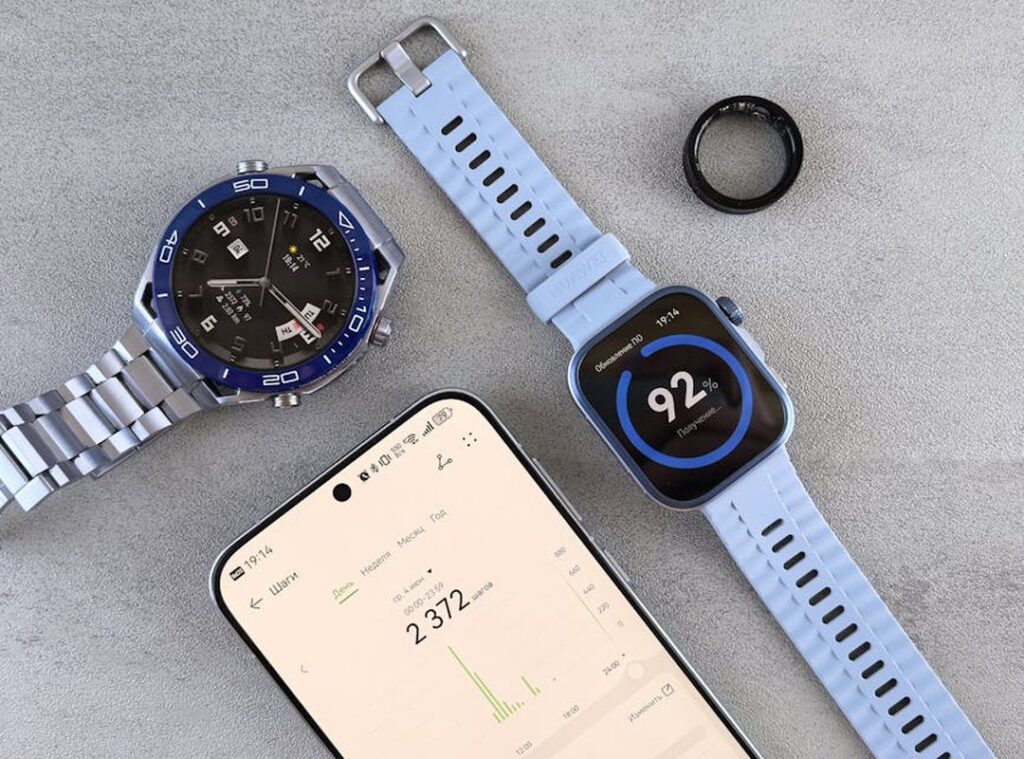
Fitness trackers are everywhere. You probably have one or are thinking about getting one. But do they really deliver on their promises?
In this fitness wearables review, I’ll dive deep into the latest devices. I want to cut through the marketing fluff and give you real takeaways. I’ve tested these gadgets myself, so you can trust my take on what works and what doesn’t.
Are you tired of wasting money on tech that doesn’t help? I get it. We all want results without the gimmicks.
I’ll break down the features, usability, and effectiveness of popular fitness wearables. You’ll learn how they measure up to your health goals.
By the end, you’ll know which devices are worth your time and money. Let’s get to the bottom of this and find the right fit for your fitness journey. You deserve to invest wisely in your health.
The ‘Why’ Behind Wearable Fitness Tech: Elevating Your
Why are we all strapping gadgets to our wrists, tracking every step and heartbeat? It’s not just about following the latest trend. There’s a real motivation here.
Wearable fitness tech is about knowing yourself better. I mean, how can you improve if you don’t know where you stand? These devices push us to be more aware and accountable.
Optimized training is another big draw. Ever tried guessing your workout intensity? It’s a joke.
Fitness wearables give you the data to train smarter, not harder. That’s what an achievement-oriented mindset craves. And let’s not forget proactive health management.
The evolution of these devices is wild. We’ve gone from simple step counters to sophisticated multi-metric trackers. They’re not just toys anymore.
Catching those red flags early can save you from bigger problems down the road.
They are tools. Tools that align with our fitness goals and wellness objectives.
Does this mean every fitness wearables review will tell you to buy one? Not necessarily. But if you’re serious about performance gains and health improvements, the right tech can make a difference.
What Really Matters in Fitness Wearables
I’ve spent enough time testing gadgets to know when something’s all flash and no substance. When it comes to fitness wearables, you’ve got to look past the glossy ads. Let’s cut through the noise and get to the meat of it.
First up, accurate heart rate monitoring. Optical sensors are decent for casual tracking, but if you’re serious about training zones and recovery, ECG is the way to go. Trust me, I’ve been there.
Does the GPS actually work? If you’re into outdoor activities, reliable distance and pace tracking is non-negotiable. Without it, you’re just guessing your way through your runs.
And sleep tracking? Knowing your REM, deep, and light sleep stages helps inform your recovery and general well-being. It’s like having a sleep coach on your wrist, minus the annoying pep talks.
Activity tracking seems basic, right? Steps, calories, active minutes (these) are important for daily health management. Here’s a pro tip: don’t ignore these just because they sound simple.
Then there are the specialized features like SpO2 and stress tracking. These aren’t just gimmicks. They offer a deeper look at your health.
Battery life is another biggie. Casual users might not care, but if you’re heading out on multi-day hikes, it’s key. Speaking of tech comparisons, it’s like how evaluating high end gaming laptops requires considering battery life too.
Fitness wearables review? More like fitness wearables reality check.
Cracking Wearable Data: From Numbers to Action
When it comes to fitness wearables, one thing’s clear: accuracy isn’t everything. Sure, it’s nice to know your device can match up with medical-grade equipment or manual readings. But the real game-changer is how actionable the data is.
Because what good is precise data if it just sits there?
You’re thinking, how do you even test accuracy? Easy. Compare your device’s readings with something reliable (like a trusted heart monitor).
But remember, perfection is overrated. For most of us, “good enough” accuracy is just fine for setting fitness goals. It’s all about the context.
You’re also dealing with data discrepancies. They happen. It’s more important to know what they mean.
For cardio, maybe your heart rate is a bit off. But if it’s consistent, you can still make informed training choices.
Turning raw data into action is where the magic happens. Look at heart rate variability or sleep scores. They can guide training tweaks or lifestyle changes.
Patterns over time give you clues about adjusting exercise intensity, rest, and diet.
But beware of drowning in data. It’s tempting to track everything, but focus on what matters to you. It’s about the right metrics, not the most metrics.
That way, you make every second spent analyzing count.
By the way, if you’re into tech, you might find our sound systems best picks 2023 worth a look. A little off-topic, but hey, who doesn’t love great sound?
Beyond the Specs: User Experience Matters
When it comes to choosing the right fitness wearable, ditch the obsession with specs. Who cares about a few extra pixels when it doesn’t fit right? I used to think more features meant better, but let’s face it, usability is king.
Long-term satisfaction lives in the details you wear day in, day out. How does it feel on your wrist? Is it comfortable for a daily 5K or a weekend marathon?
Don’t ignore the design; comfort and style matter more than you’d think. A clunky device collecting dust won’t help anyone stay fit.
Then there’s the app. Is it user-friendly, or does it make you want to throw your phone out the window? I’ve ditched fitness wearables because the space was a mess (looking at you, poorly designed apps).
It’s not just an accessory, it’s part of your routine. The community features can motivate or just annoy you (depending on how many leaderboard updates you get). For some real insight, check out this fitness wearables review that digs into the essentials.
Staying current matters too. Make sure your device isn’t abandoned a year later by its makers. Software updates and support shouldn’t be optional.
And hey, durability? Don’t gamble on water resistance unless you want a very expensive paperweight after a rainy run. Lastly, don’t forget privacy.
Secure your health data like you’d lock your gym locker. A wearable is an investment. Worth every penny if you nail the value proposition.
Wearables That Work for You: Picking the Right Tech
Feeling overwhelmed by options in a fitness wearables review? You’re not alone. I get it.
Let’s break it down. Step one: clearly define your primary fitness goals. Are you training for a marathon or just want to manage stress better?
Identifying those goals makes it easier to pinpoint the metrics that matter.
Next, think about your lifestyle. Do you need waterproof capabilities for swimming, or are notifications more important? Separate the ‘must-haves’ from the ‘nice-to-haves.’ Now, dig into specific models.
Reviews and expert opinions are your friends. Use them wisely.
If possible, try before you buy. Get a feel for the comfort and explore the app experience. User communities are gold mines for real-world takeaways.
Remember, the best wearable isn’t the most expensive one. It’s the one that aligns with your journey toward achievement. Make it work for you, not the other way around.
Take Charge of Your Fitness Tech
You’ve got the knowledge to get through the maze of wearable fitness tech. No more guesswork. Make choices that raise your health and performance.
Apply these takeaways. Share your journey and confidently invest in devices that truly work for you. Don’t wait.
Dive into this fitness wearables review and level up now.
 Zorynth Pell is the kind of technology writer who thinks a lot about where innovation leaves people emotionally, not just economically or socially. That’s part of what makes the voice behind Elmagadvance.net feel different from many other tech platforms. Zorynth covers Tech Innovations Today, Digital Advancements, and Emerging Technology Discussion with a broader perspective than simple product reporting or trend forecasting. There’s a noticeable interest in how technology changes the rhythms of everyday life — how people communicate, how they work, how they think about progress itself.