
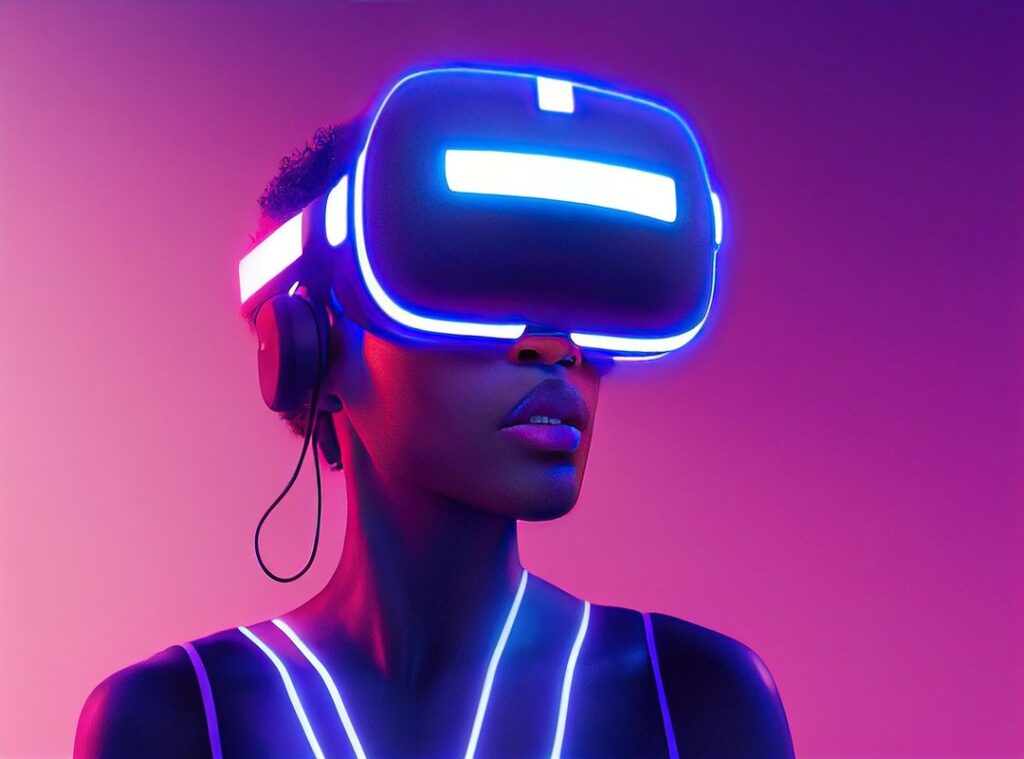
Augmented Reality (AR) feels like a distant dream, right? Most people think it’s just for gaming or flashy tech demos. But here’s the truth: we’re in the middle of a revolution.
This article digs deep into augmented reality advancements that are reshaping how we interact with the world.
I get it. You know AR exists, but do you really grasp its evolution? It’s more than just cool filters on your phone.
Today’s AR is a sophisticated tool with real-world applications that can change industries.
I’ve spent years tracking tech shifts and their social impacts. I’ve seen how AR is evolving from gimmick to necessity.
You can trust my perspective because I focus on what matters. I promise to break down the advancements clearly.
You’ll learn how AR is becoming a key part of our daily lives, moving beyond novelty.
By the end of this article, you’ll have a solid understanding of the latest AR developments. Let’s dive in and explore how AR is redefining our reality.
From Concept to Core: AR’s Tech Journey
Augmented Reality (AR) is where digital meets reality, overlaying digital content onto the real world. Sounds simple, right? But early versions were clunky.
Tracking was unstable. Graphics felt like they were from a 90s video game. You couldn’t interact much, and you needed specific devices (clunky) ones.
But let’s talk about augmented reality advancements. We’ve seen leaps in technology. Remember SLAM algorithms?
They’ve evolved to keep digital elements stable. No more jittery overlays. Rendering capabilities have also skyrocketed.
Now, digital objects look like they belong in the real world. Improved lighting estimation and occlusion make this possible. You know, shadows and reflections that look real.
And here’s the kicker: AR is now interactive and context-aware. We’re not just talking static overlays anymore. You can engage with digital objects like never before.
This shift makes AR practical and immersive. Think about how you can use it for navigation or placing furniture in your living room. These aren’t just gimmicks; they’re useful applications integrated into daily life.
These foundational tech improvements are what make AR a part of our lives today. They’re not just enhancements; they’re game-changers. And we’re only scratching the surface.
The Power Behind the Pixels: AR’s Technological Leaps
Augmented reality is no longer just a sci-fi dream. It’s here, and it’s changing how we interact with the world. Want to know why?
Let’s talk hardware. The integration of LiDAR scanners in consumer devices is a game-changer. LiDAR allows for precise depth mapping, which means your device understands its environment better than ever.
It’s like giving your phone a pair of eyes.
But hardware is just the start. Advanced mobile processors and dedicated AR chips are the real muscle behind AR’s rise. They handle complex computations and real-time rendering without breaking a sweat.
Imagine having AI-powered features in your pocket, enabling things like object recognition and gesture tracking. It’s mind-blowing.
AI and machine learning further push AR boundaries. They boost virtual try-ons and make scene understanding predictive. And let’s not forget cloud computing and 5G.
These technologies offload processing and let persistent AR experiences. They even allow real-time collaboration. Ever tried an e learning platforms education tool that uses AR?
The future is bright.
Spatial computing ties it all together. It creates a new way to interact with digital info in the physical world. AR advancements are reshaping our digital space, and I can’t wait to see what’s next.
Beyond Entertainment: AR’s Bold Leap into Industry
I’ve seen augmented reality advancements transform industries beyond just games or cool Snapchat filters. Let’s talk healthcare. Imagine a surgeon using AR to practice surgeries with 3D models or to get real-time data during operations.
It’s not just a gimmick. It’s a life-saving tool. Manufacturing?
AR is like having a smart assistant next to you. You get live overlaid instructions on machines. Mistakes drop, efficiency rises.
But here’s a twist. Education is where AR truly shines. Kids can now step into virtual worlds, making learning not just interactive but immersive.
Who wouldn’t want history with a side of time travel?
Retail? It’s getting personal. Virtual try-ons mean no more dressing room lines at your favorite store.
And for us lazy shoppers, 3D product views from home are game-changers. These aren’t future fantasies. They’re happening now.
If you’re curious about where this tech is headed, check out these augmented reality trends future ar technologies.
Why wait to embrace it? The world is shifting fast. Embrace AR’s potential.
Industries are realizing AR’s impact on safety, learning, and efficiency. It’s not just about what it can do (it’s) about what you can do with it.
Shaping the Human Experience: Intuitive Interaction
Let’s face it: augmented reality used to feel like science fiction. But with augmented reality advancements, we’re moving into a world where AR feels natural, almost like breathing. Sophisticated hand tracking and eye tracking make interactions smooth and intuitive.

Imagine just a flick of your wrist to resize a virtual object. It’s not just a gimmick; it’s the future.
Contextual awareness takes this further. Your AR device knows your location, understands your intent, and responds accordingly. It’s as if your tech is part of your thought process.
AR hardware is also shedding its clunky past. We’re talking about sleek, stylish smart glasses and contact lenses that don’t make you feel like a cyborg. The goal is smooth integration with our lives, not awkward tech strapped to our faces.
You glance at a landmark, and voilà, instant information. It’s personalization at its finest.
Let’s not forget haptic feedback and spatial audio. These make AR a full-body experience, engaging all senses. You hear and feel the digital world as if it were tangible.
Curious where all this tech is heading? Check out cloud computing businesses flight for more on the digital future.
The Road Ahead: AR’s Future and Its Hurdles
Augmented reality is on everyone’s radar, but does it have what it takes to become a part of daily life? Right now, we’re facing some serious hurdles. Battery life and field of view limitations keep AR from being more than just a novelty.
And then there’s social acceptance. Let’s be real: strapping on headgear isn’t everyone’s idea of normal.
Data privacy adds another layer of complexity. We talk a lot about ethical AI development, but how often do we actually see it in practice? This is where augmented reality advancements come into play.
We’re making strides with more fast displays and tech that could eventually address these issues.
Picture this: a world where AR converges with brain-computer interfaces. I’m talking about a smooth blend of digital with physical. Sounds like sci-fi, right?
What’s next? We’ve got to consider the societal impacts. Do we want an AR-driven world (or not)?
It’s closer than you think. The metaverse is being built on AR principles, aiming for this exact fusion.
It could transform how we interact with everything around us. The future is wide open, but the challenges are real.
Embrace the Future of AR
You came here seeking clarity on augmented reality advancements. I get it. The confusion around AR’s potential can be overwhelming.
But it’s clear now that AR isn’t some distant fantasy. It’s here, evolving fast, and it’s reshaping how we interact with technology. The takeaways from this article shine a light on its real-world applications that matter to you.
So why wait? Explore AR tools that fit your life or industry. Stay updated on the latest innovations.
This technology can transform your daily experiences.
You have the chance to be at the forefront of this shift. Don’t just watch from the sidelines. Dive in and use the power of AR for yourself.
Start today.
 Auriv Wolfquell writes the kind of emerging technology discussion content that people end up rereading a second time because they realize halfway through that it’s saying something more substantial than they first assumed. Not because Auriv relies on dramatic predictions or apocalyptic tech rhetoric — actually, quite the opposite. What makes the work effective is the ability to separate genuine technological shifts from the endless stream of noise that surrounds the industry. Auriv has spent enough time paying attention to Digital Advancements, Emerging Technology Discussion, and Advanced Gems that they’s developed a strong instinct for what matters long-term and what’s just temporarily fashionable.