
I’ve watched people stress over bills they don’t understand.
I’ve seen smart folks freeze at the word “budget” like it’s written in code.
You’re not broken.
You’re just tired of guessing.
This isn’t theory.
It’s what worked when I was living paycheck to paycheck. And what still works now that I’m building real breathing room.
Most money advice sounds like it’s from another planet. Too much jargon. Too many steps.
Too little honesty about where you actually are right now.
That’s why this is How to Improve Your Financial Position Jexphacks.
No fluff. No fake urgency. Just clear, direct moves.
One at a time. That shift your reality.
You’ll learn how to spot where your money leaks (and stop it). How to make debt feel smaller today, not someday. How to turn “I can’t afford it” into “I choose not to spend it this way.”
You don’t need more willpower.
You need better mechanics.
And yes (you’ll) see real movement in under thirty days.
This guide gives you that.
Track It or Lose It
I track every dollar. Not because I love spreadsheets (I don’t). Because I hate surprises.
You know that sinking feeling when your bank app shows a number you didn’t expect? Yeah. That stops when you see where your money actually goes.
Start simple. A notebook. A free Google Sheet.
Or try Jexphacks. It’s clean, no ads, and doesn’t ask for your life story.
Write down income. Write down every expense. Even the $3 coffee.
Especially the $3 coffee.
Then group them: rent, groceries, gas, subscriptions, takeout, that weird thing you bought at 2 a.m.
Look at the totals. Ask yourself: Did I choose this? Or did it just happen?
This isn’t about shame. It’s about seeing the pattern.
You’ll spot the $15 monthly app you forgot you had. The $200 “miscellaneous” line that’s really impulse buys.
Awareness isn’t judgment. It’s the first move toward control.
How to Improve Your Financial Position Jexphacks starts here. Not with a plan, but with truth.
You don’t need perfection. You need honesty.
What’s really eating your paycheck?
Budgets Aren’t Jail Sentences
I track my spending for two weeks. No apps. Just a notebook and receipts.
(Yes, I still get paper receipts. Yes, it’s annoying.)
Then I group everything into piles: rent, groceries, gas, coffee, subscriptions, that weird $12.99 charge I don’t recognize.
Needs vs. wants isn’t philosophy. It’s math. Rent is a need.
Netflix is a want. Unless you’re a film critic. (You’re not.)
The 50/30/20 rule? It’s a starting point (not) gospel. If you pay $2,000 rent in a $3,200 monthly take-home, 50% for needs is impossible.
So adjust. Cut wants. Delay savings.
Do what works.
I set hard limits: $300 for groceries. $75 for fun. When I hit them, I stop. Not “maybe.” Stop.
A budget doesn’t restrict you. It tells you where your money actually goes. That clarity is how to improve your financial position Jexphacks.
I review mine every Sunday. Fifteen minutes. I change categories if something’s off.
Last month, I moved $50 from “eating out” to “car repair.” Life happens. Your budget should bend.
You think this feels rigid? Try overdrawing your account again.
What’s one category you consistently overspend in?
Not “food.” Be specific. Chipotle? Gas station snacks?
That $4.50 oat milk latte you buy twice a day?
Name it. Then cap it.
That’s the whole system. Track. Categorize.
Cap. Repeat.
Debt Isn’t Neutral (It’s) Eroding You
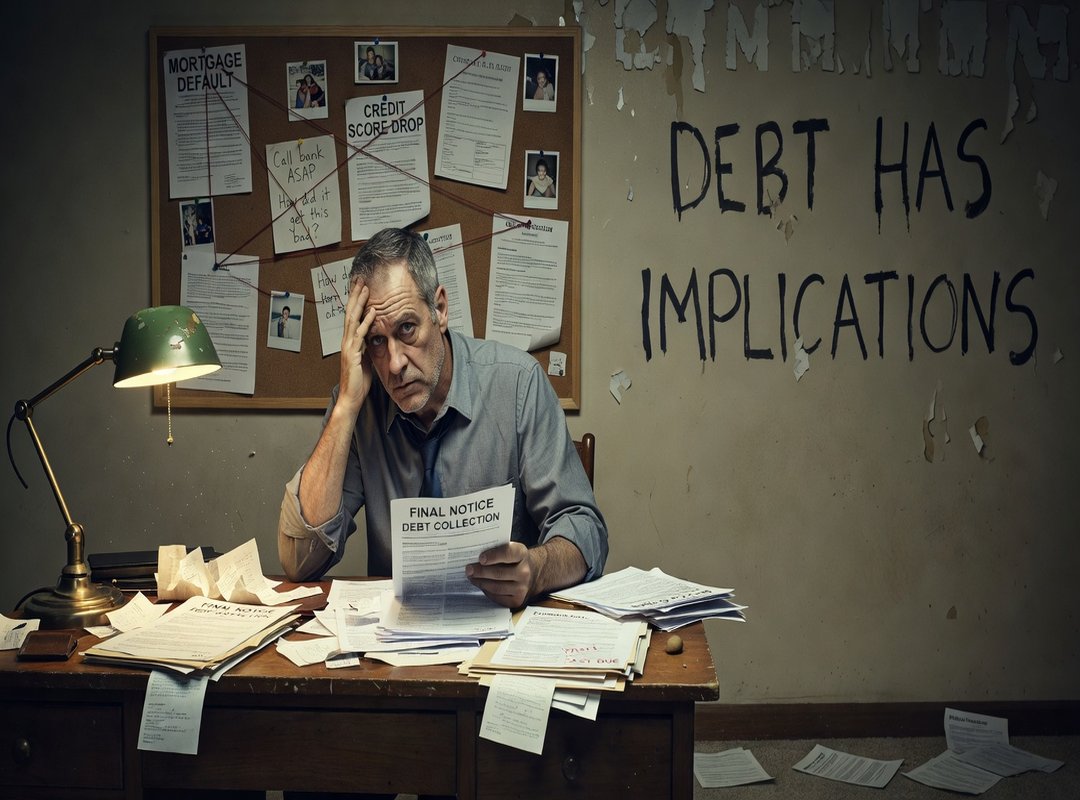
High-interest debt doesn’t just sit there.
It eats your paycheck before you even see it.
You know that $5,000 credit card balance? At 24% APR, you’re paying nearly $1,000 a year in interest alone. That’s rent money.
That’s groceries. That’s gone.
Some say “just pay the highest interest first.” That’s the avalanche method. It saves the most money long-term. But what if you need proof you can win?
Then snowball. Smallest balance first. Builds real momentum.
I tried avalanche. Got stuck. Then I paid off a $280 medical bill.
Felt like breathing again. That’s why method choice isn’t math-only. It’s psychology + reality.
You can find extra cash. Cancel that $15 streaming app you haven’t opened in weeks. Sell old gear for $75.
Drive one less Uber shift and put that $40 toward debt instead.
And if you’re behind? Call your creditor before the next due date. They’d rather get something than nothing.
Many offer hardship plans. Lower rates, paused payments. (Yes, they’ll ask questions.
Just be honest.)
How to Improve Your Financial Position Jexphacks starts with naming what’s costing you. Then cutting it loose.
Check out Jexphacks Everyday Hacks by Jerseyexpress for simple, no-fluff moves like this.
You don’t need perfection. You need action. Start today.
Your Emergency Fund Is Not Optional
I opened my first emergency fund after my car died on the highway. No warning. No backup plan.
Just a $1,200 bill and zero cash.
That’s why you need 3. 6 months of living expenses saved. Not wishful thinking. Not “someday.” Real money.
In a separate account. You’re not saving for a vacation. You’re saving so your next flat tire doesn’t mean a credit card swipe.
Start small. $10 a week. $20. Whatever sticks. Consistency beats size every time.
I set up auto-transfers the same day I get paid. It happens before I see the money.
Don’t wait for “more income” or “less debt” to begin. Those things rarely line up. You build the net while you’re still climbing.
Once the emergency fund breathes easy, shift focus. A down payment. A real vacation.
Not just surviving (but) choosing.
You’ll ask yourself: What if I lose my job? What if the furnace dies in January?
Answer that question with action. Not anxiety.
Want real, no-BS moves to move the needle?
Check out How to Improve Your Financial Position Jexphacks
Your Money, Your Move
I’ve done this. I’ve stared at bank statements wondering where it all went. You want stability.
You want growth. You want to stop worrying about the next bill.
That’s why How to Improve Your Financial Position Jexphacks works. It’s not theory. It’s spending awareness.
Budgeting that fits your life. Debt you actually chip away at. Savings that build without guilt.
Clarity comes first. Then control. Then momentum.
You don’t need perfection. You need one step (today.) Pick the one that feels least scary. Track spending for 48 hours.
Open a separate savings tab. Call one creditor. Just start.
Consistency beats intensity every time. Skip the overhaul. Show up small, show up often.
Your future self won’t thank you for waiting.
They’ll thank you for acting. Now.
Start your journey to better financial health today!
 Tarynix Shadecrest has opinions about hardware and digital solutions. Strong ones. But unlike a lot of people writing in that space, those opinions usually come from actual experience rather than borrowed excitement. They covers In-Depth Hardware Evaluations, Hands-On Digital Solutions, and practical technology integration with the mindset of someone who has spent a long time testing things until the marketing language falls apart. Tarynix isn’t especially interested in products that sound impressive in launch presentations but become frustrating the second someone tries using them in daily life. That skepticism gives the writing a level of credibility readers tend to recognize quickly.